
Allergy & Immunology Practices
Manage weekly shot schedules for dozens of patients without drowning in manual tracking.
Allergy practices run two parallel operations: the diagnostic side with consultations, skin testing, and evaluations, and the treatment side with ongoing immunotherapy injections that can span three to five years per patient. Managing 80 patients on weekly shot schedules while running a full consultation calendar requires systems that do not break when volume spikes in spring. Curowell handles both sides.
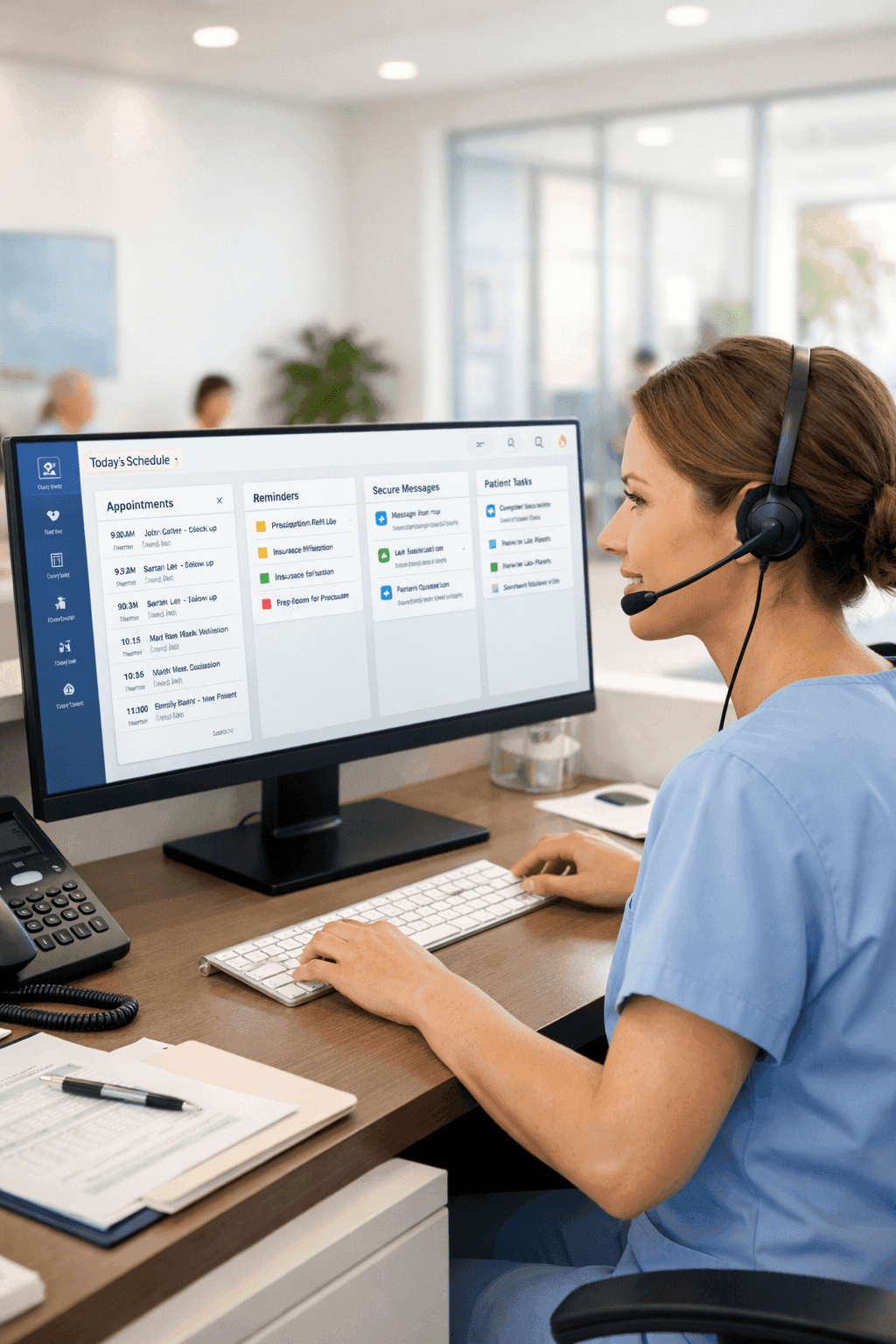
Built for your workflow
We understand how allergy & immunology practices actually work
Allergy shot scheduling is repetitive and high-stakes
Each immunotherapy patient needs weekly injections during build-up and monthly maintenance shots for years. If a patient misses more than two weeks, their dose must be reduced, pushing back their entire protocol timeline. Tracking 80 patients' individual shot schedules, dose levels, and gap intervals manually is unsustainable.
Smart Reminders
Smart Reminders tracks each immunotherapy patient's injection schedule and dose escalation timeline. When a patient approaches the maximum gap between shots, the system sends urgent reminders flagging the dose reduction consequence. Your clinical staff sees a daily dashboard of patients due for shots, sorted by urgency, so nobody slips past the threshold unnoticed.
Seasonal surges overwhelm your capacity
Spring and fall bring waves of new patients with allergy symptoms who all want appointments in the same two-week window. Your wait list grows, established patients get pushed out, and your phones are overwhelmed with scheduling requests. By the time patients get in, their acute symptoms have passed and they may not follow through with testing.
AI Receptionist
AI Receptionist handles the seasonal call surge by offering available appointment slots, collecting symptom information, and triaging new versus established patients. During peak periods, it manages the waitlist and proactively reaches out to patients when earlier slots open up. Your front desk stays focused on in-office patient care instead of spending the entire day on the phone.
Post-injection observation periods tie up space
Every allergy shot requires a 20-30 minute observation period for anaphylaxis monitoring. Patients who arrive for a quick shot end up occupying waiting room space for 30 minutes, and if four shot patients arrive at the same time, your observation area is overcrowded. Staggering arrivals is critical but hard to enforce without structured scheduling.
Appointment Scheduler
Appointment Scheduler staggers shot appointments at intervals that account for the observation period. If your observation area holds six patients, the system limits shot appointments to six per 30-minute window. Walk-in shot clinics can be configured with arrival windows that distribute patients evenly, preventing the afternoon pile-up that strains your space and staff.
Common questions
Questions from allergy & immunology practices
Can the system track individual patient dose levels for immunotherapy?
Curowell tracks the scheduling and timing aspects of immunotherapy protocols, including the interval between injections and whether a patient is in build-up or maintenance phase. Clinical dose tracking remains in your medical record system. However, the scheduling data gives your nursing staff a clear view of which patients are due, overdue, or at risk of protocol interruption.
How does Curowell handle patients who need multiple allergen injections per visit?
Appointment types can be configured with the appropriate duration for multi-injection visits. A patient receiving three injections needs a longer visit than one receiving a single shot. The system schedules the correct time block and includes the observation period, so your nursing staff is not rushed and the observation requirement is never cut short.
Can we manage skin testing appointments that require extended time blocks?
Skin prick testing and intradermal testing appointments are defined with the full time requirement including application, waiting period, and reading. These appointments are scheduled into appropriate rooms with the necessary allergen kits. The system prevents overbooking the testing room so your technician is not running between patients during reading windows.