
The hidden tax
When free tools start costing you more than software ever would
That spreadsheet is not saving you money. It is just hiding what you are losing.
Here is a pattern we see all the time. A practice starts out small. Someone sets up a Google Sheet for the schedule, another for patient contacts, maybe a shared doc for the waitlist. It works fine. For a while. Then the practice grows, a second provider joins, and suddenly those spreadsheets are being edited by three people at once, reminders are falling through the cracks, and nobody is sure which version of the patient list is current.
The tools did not break. The practice outgrew them. But by the time most owners realise it, the cost has been quietly adding up for months.
The costs you do not see on a balance sheet
Staff time is your most expensive resource. If your team spends 30 minutes a day copying data between a spreadsheet and your calendar, that is over 120 hours a year. At the average front desk salary, you are paying thousands of dollars annually for something software does in seconds.
Errors multiply silently. A wrong phone number in a spreadsheet means a reminder that never arrives. A deleted row means a patient who falls off the radar. These are not dramatic failures — they are slow leaks that drain your schedule and your revenue without anyone noticing until the end of the quarter.
You cannot measure what you cannot see. Spreadsheets do not tell you your no-show rate, your busiest booking day, or which provider has the longest wait times. Without that data, every decision about your practice is a guess.
There is no backup plan. What happens when the person who built the spreadsheet leaves? Or when someone accidentally deletes the wrong tab? Manual systems are fragile because they depend entirely on the people running them.
When does it make sense to switch?
There is no shame in starting with spreadsheets. Every practice does. But there is a tipping point, and it usually looks like this: your team is spending more time managing the tools than doing their actual work. If that sounds familiar, the cost of switching is almost certainly less than the cost of staying where you are.
What switching actually looks like
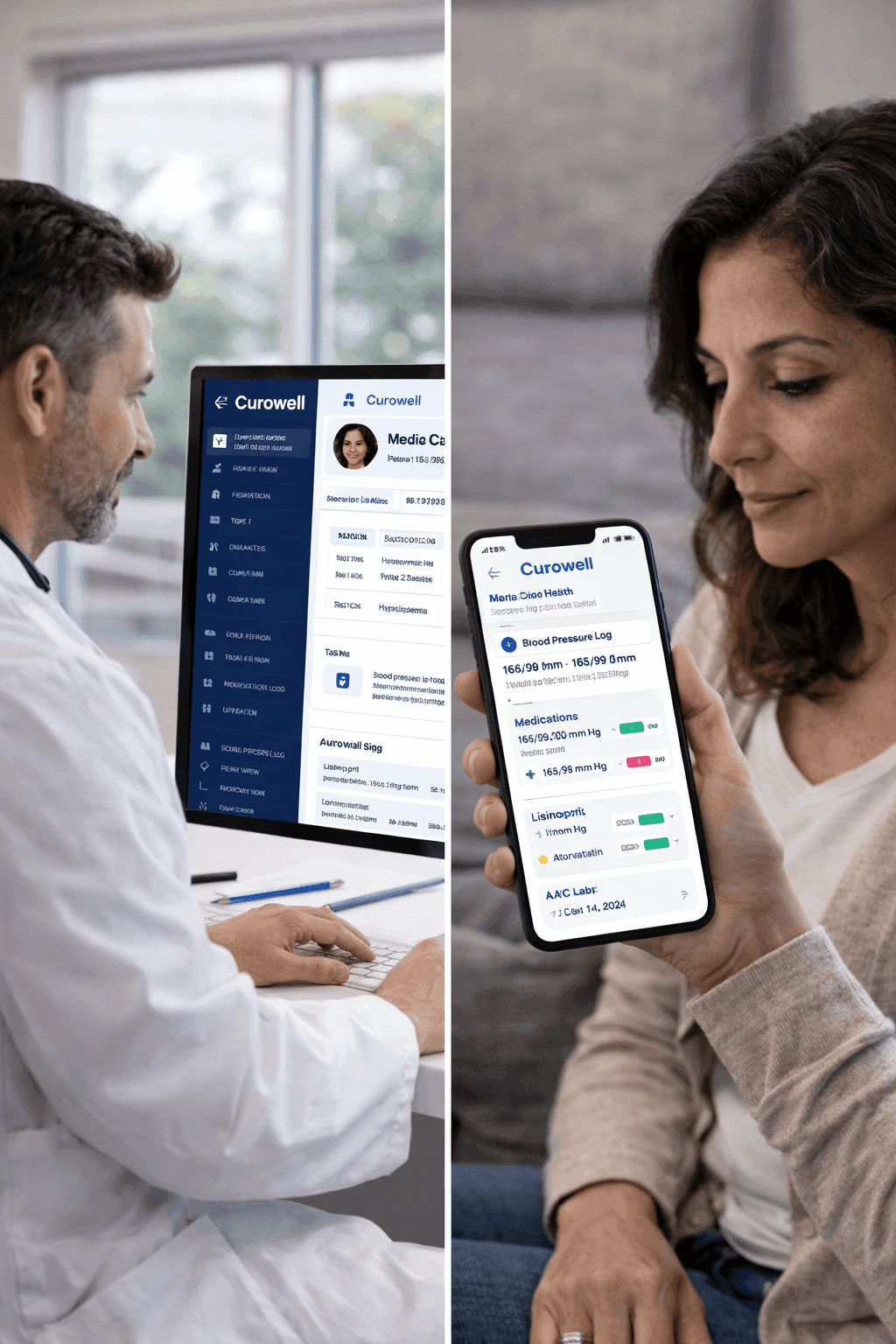
This is the part that scares most practice owners — the migration. Will it take forever? Will I lose data? Will my team revolt? With Curowell, the honest answer is: most practices are fully live within a week. We connect with your existing EHR, handle data migration, train your team hands-on, and run in parallel until everyone is comfortable. No long contracts, no hidden fees, and a free trial so you can see the difference before you commit.
Your spreadsheet got you here. But it is not going to get you where you want to go next.