
The overlooked role
Your front desk shapes more than first impressions
A patient decides how they feel about your practice before they ever see a doctor.
Think about the last time you walked into a clinic. You probably remember whether the check-in felt smooth or chaotic. Whether someone greeted you by name or handed you a clipboard without looking up. That moment — before any diagnosis, before any treatment — already shaped your opinion of the entire practice.
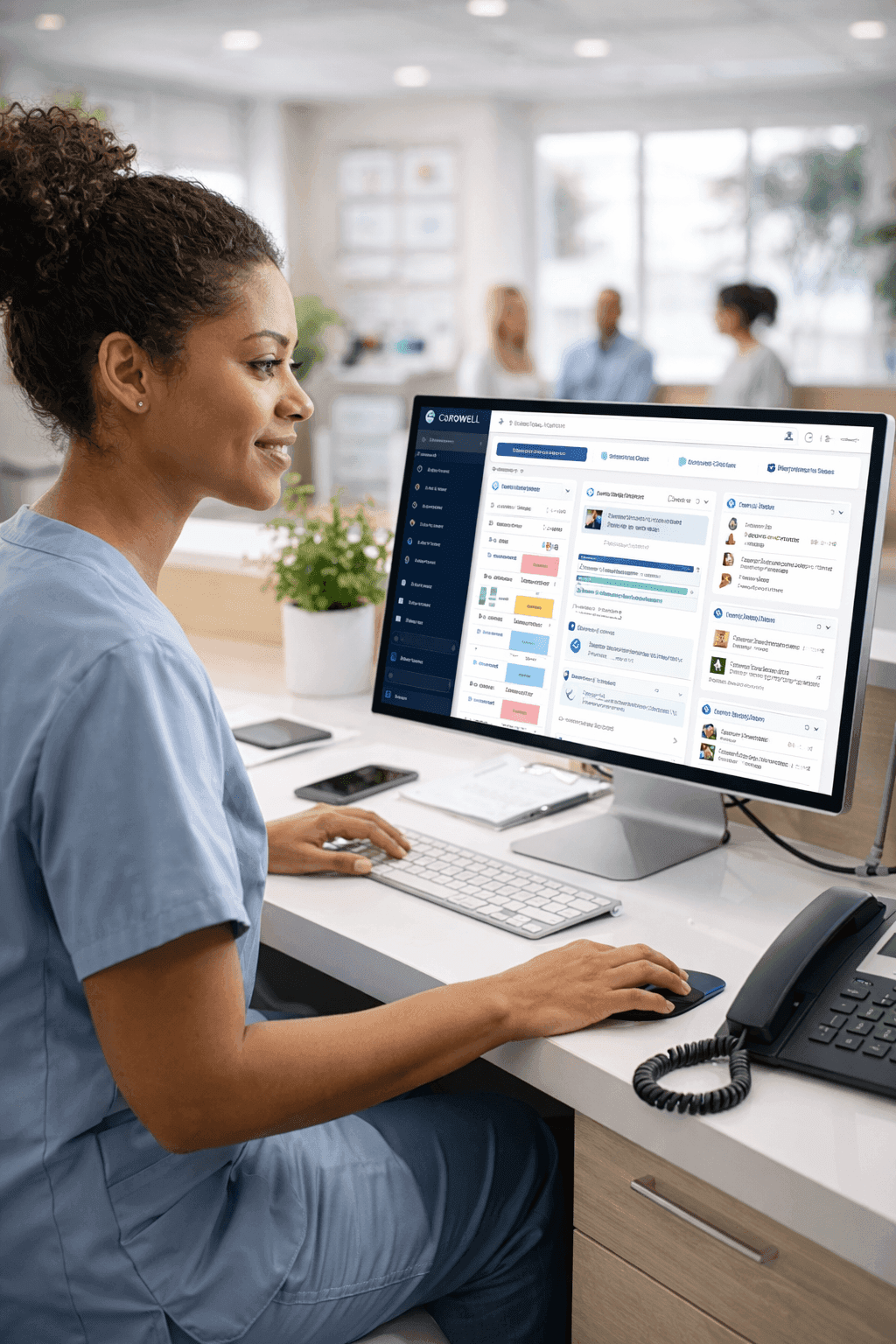
Most practice owners pour their energy into clinical quality, and rightly so. But here is the uncomfortable truth: patients cannot evaluate your clinical skills. What they can evaluate is whether your front desk picked up the phone, whether rebooking was painless, and whether anyone followed up after a missed appointment. The front desk is where loyalty is won or lost.
What an overwhelmed front desk actually costs you
When your front desk team is buried in manual tasks — calling patients to confirm, juggling a paper waitlist, fielding the same scheduling questions over and over — they do not have the bandwidth to deliver a great experience. The result is not just stressed staff. It is longer hold times, missed follow-ups, double-booked slots, and patients who quietly leave for a practice that felt easier to deal with.
Phone tag is expensive. The average practice spends 20+ hours a week on scheduling calls alone. Every minute on the phone for a routine booking is a minute not spent on the patient standing in front of you.
Manual reminders slip through the cracks. When one person is responsible for calling 40 patients a day to confirm, some will get missed. Those missed calls become no-shows, and no-shows become lost revenue.
Burnout compounds quietly. Front desk turnover is one of the highest in healthcare. Replacing and retraining staff is disruptive, costly, and completely avoidable if the workload is manageable.
How to give your front desk room to breathe
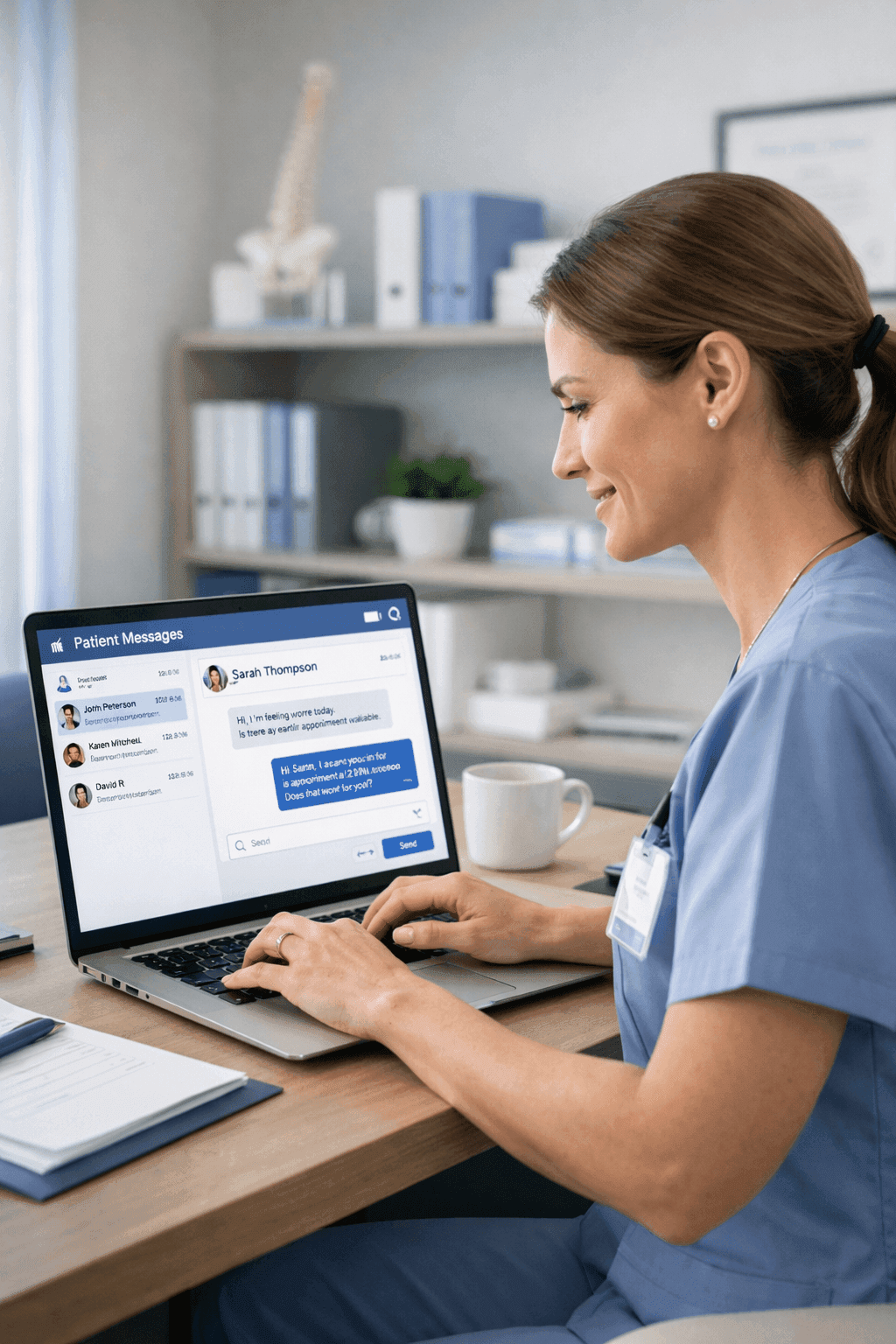
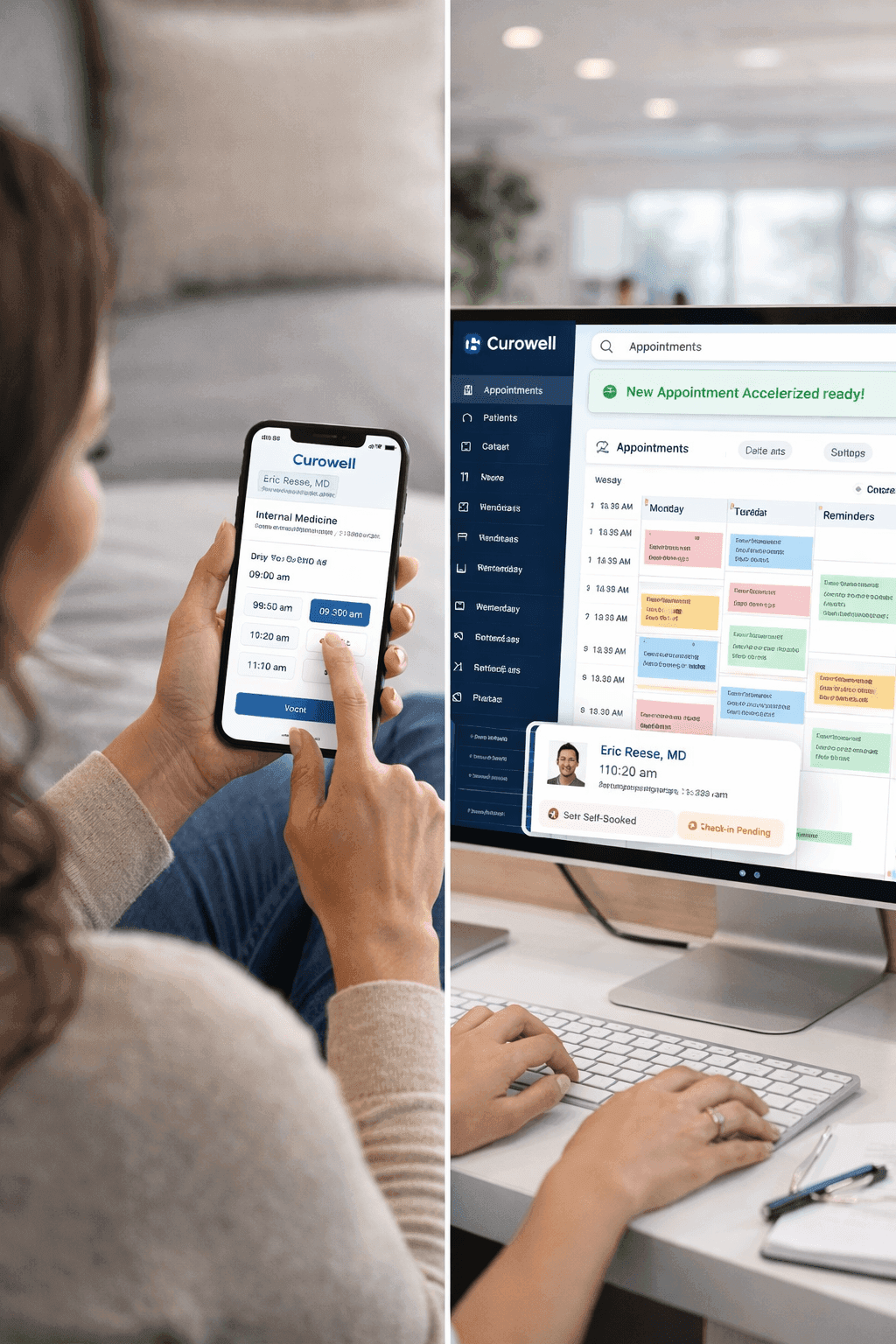
The fix is not hiring more people. It is removing the tasks that should not require a person in the first place. Automated reminders handle confirmations. Online self-booking lets patients schedule without calling. A real-time waitlist fills cancellations automatically. Your front desk still runs the show — they just have better tools to do it with.
Where Curowell fits in
Curowell was built with the front desk in mind. Our scheduling, reminders, and patient chat tools take the repetitive work off your team's plate so they can focus on the interactions that actually matter. Our team handles setup and training during the first week, and most front desk staff feel confident within a few days.
If your front desk feels like it is always one step behind, the problem probably is not the people. It is the process. Book a demo and see what changes when the busywork disappears.